Atlas Trace.
Your biology, over time.
Atlas Trace reads your epigenome — how your genes are actually being expressed right now. Measure biological age, stress signatures, and recovery trajectories. See whether your interventions are working at the molecular level.

The signal that moves.
Your DNA doesn't change. How it's used does.
Methylation reveals which genes are active right now — and how that shifts with age, lifestyle, and intervention.
This is the only biomarker system that measures change.
Methylation is the direct molecular signature of biological age, inflammation, stress, and recovery. Not a proxy — the signal itself.
Built for longitudinal tracking.
Baseline your biology, intervene, remeasure. Atlas Trace is designed to answer one question: is what you're doing actually working?
Three steps to your Trace.
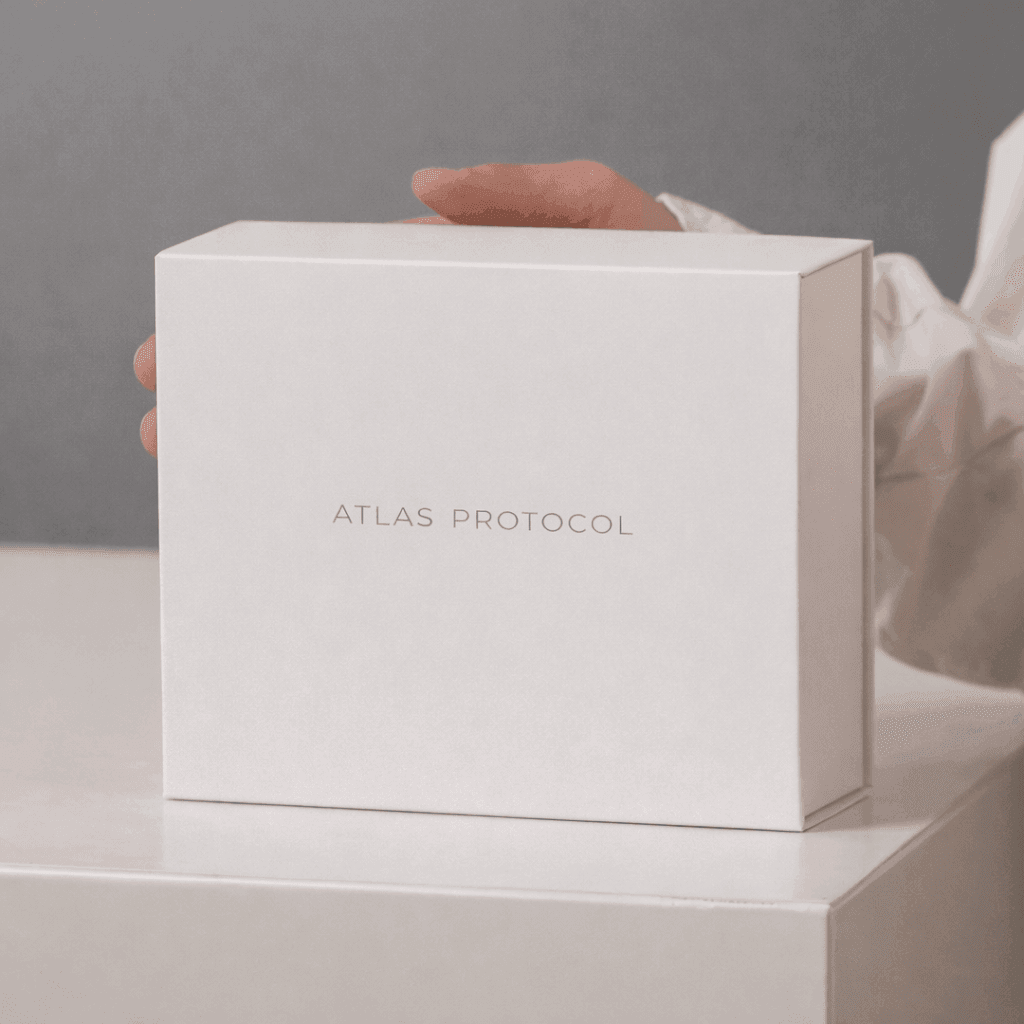
Order your kit.
You receive a dried blood spot collection kit for self-collection at your address.

Collect and return.
Collect your sample as instructed. Shipping both ways is included.
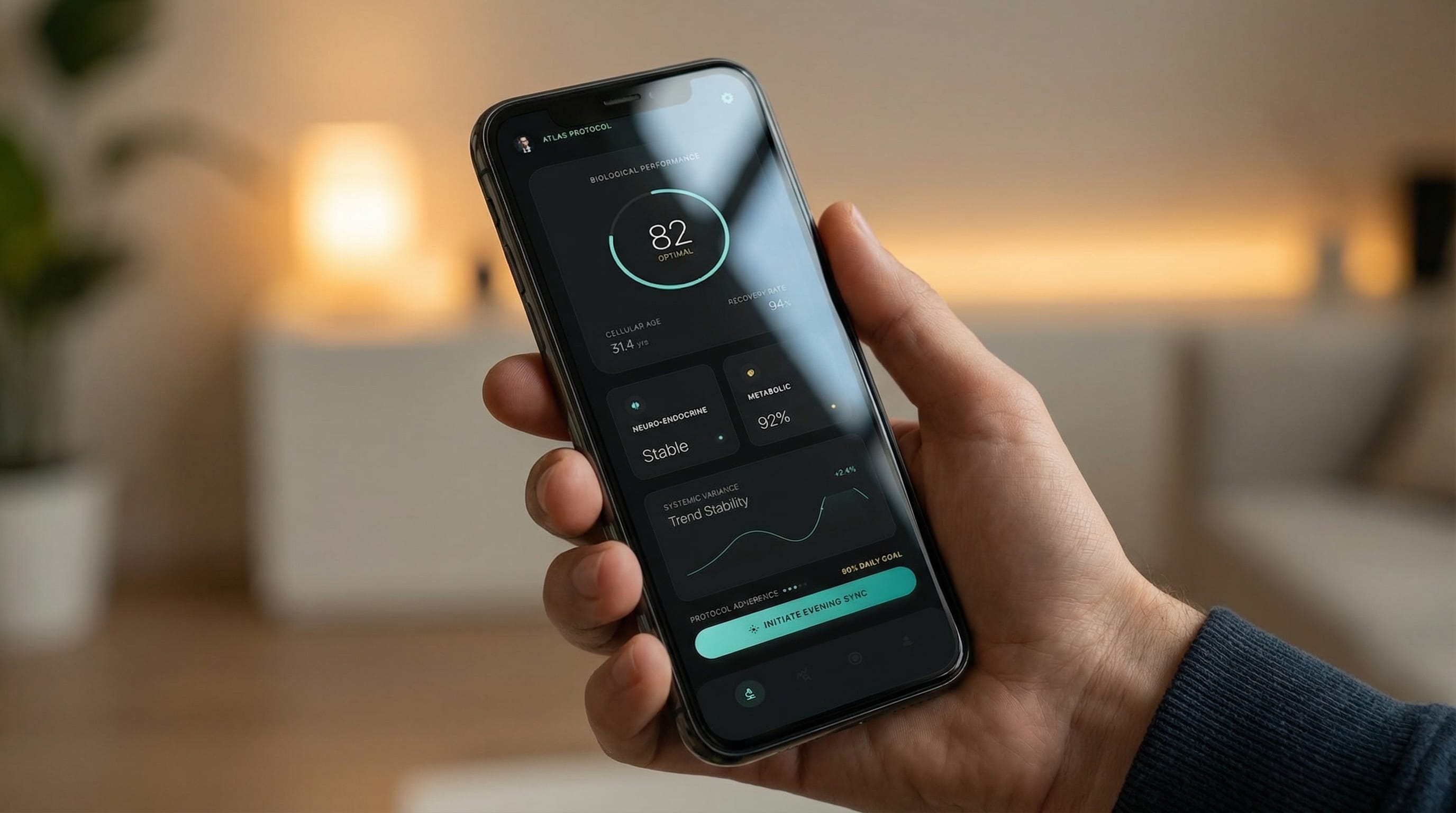
Receive your structured Trace.
Biological age, stress markers, inflammation trajectories, organ-system summaries.
One measurement layer. Multiple lenses.

Genetics-informed DHT sensitivity profile combined with reversible biomarker tracking — ferritin, vitamin D, thyroid. See what's actually driving density changes.
See example →
Methylation-based injury risk signatures, training load response, and recovery trajectories. Used by professional clubs for youth academy monitoring.
Learn more →
Your biological age through validated methylation clocks (Horvath, GrimAge, PhenoAge). HPA-axis stress signatures. Inflammation trajectory. The longevity baseline that actually updates.
Learn more →More protocols launching. Atlas Trace is designed as a flexible interpretation layer — new use cases added as our science expands.
From Trace signal to a focused report.
Methylation patterns at hair-relevant gene regions feed Atlas Hair Resilience, a focused protocol that combines genetic predisposition and epigenetic trajectory signals for hair-loss risk.
Learn more about Atlas Hair Resilience →Grounded in clinical infrastructure.
Atlas Trace is processed through laboratory partners. Reporting frameworks are developed in consultation with practicing physicians.
See the full scientific framework →
Structured outputs designed for clinical review
Questions.
Looking for clinical risk panels?
Explore Clinical Prevention